Introduction to Montessori Learning at Home
As a parent in Windsor, CA, you might be exploring ways to enhance your child's learning experience beyond the classroom. The Montessori method, renowned for fostering independence, creativity, and critical thinking, offers valuable strategies that can be seamlessly integrated into your home environment. In this post, we explore the top 7 strategies to enrich your child's learning at home using Montessori principles in 2026.
1. Create a Prepared Environment
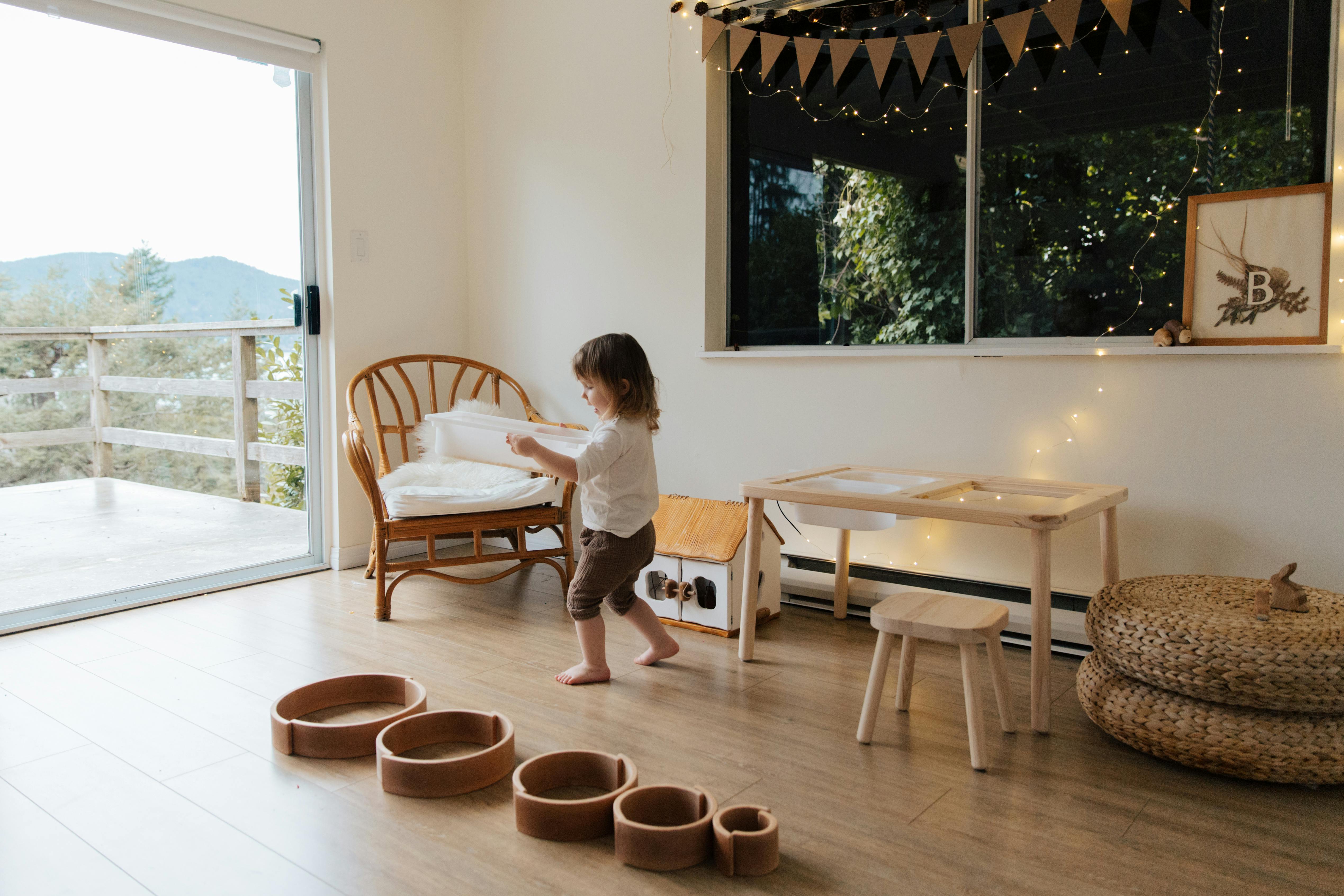
The foundation of Montessori learning is a well-prepared environment. At home, this means creating spaces that are organized, accessible, and free from clutter to encourage independence. In Windsor, where homes often reflect the beauty of the surrounding nature, consider incorporating natural materials like wood and plants into your child's space. Ensure that learning materials are within reach and organized by subject or activity.
Key Elements for a Montessori Environment:
- Child-sized Furniture: Chairs, tables, and shelves that are scaled to your child's size promote autonomy and comfort.
- Open Shelving: Use open shelves to display educational materials, allowing children to choose their activities independently.
- Natural Light: Position learning areas near windows to harness the calming and inspiring effects of natural light.
2. Incorporate Practical Life Activities
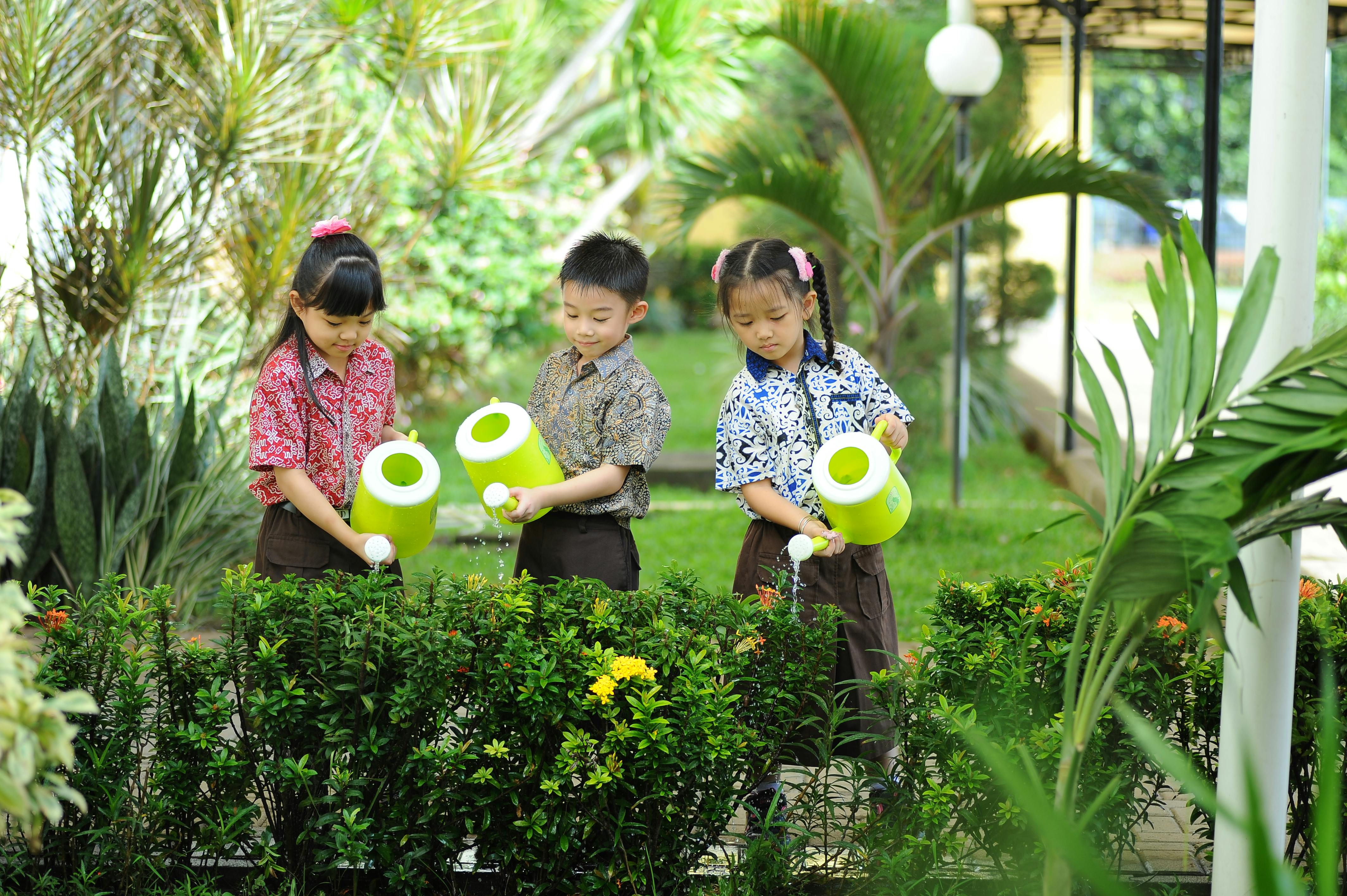
Practical life activities are a cornerstone of Montessori education. These activities teach children essential life skills while enhancing their fine motor development and concentration. Encourage your preschooler to participate in daily tasks such as setting the table, watering plants, or sorting laundry. These activities not only build skills but also instill a sense of responsibility and accomplishment.
3. Promote Sensorial Exploration
Sensorial experiences are vital for young children's cognitive development. At home, you can create opportunities for sensorial exploration by providing a variety of textures, sounds, and scents. In Windsor, take advantage of the beautiful outdoors for nature walks where children can engage with their senses, or set up a sensory table indoors with items like rice, sand, or water for tactile exploration.
4. Encourage Language Development
Language is a critical component of early childhood education. In a Montessori home setting, language development can be fostered through storytelling, singing, and conversations. Reading together is another powerful tool. Choose books that reflect diverse cultures and languages to broaden your child's worldview. Encourage your child to express themselves and ask questions, nurturing their curiosity and vocabulary.
5. Facilitate Mathematical Understanding
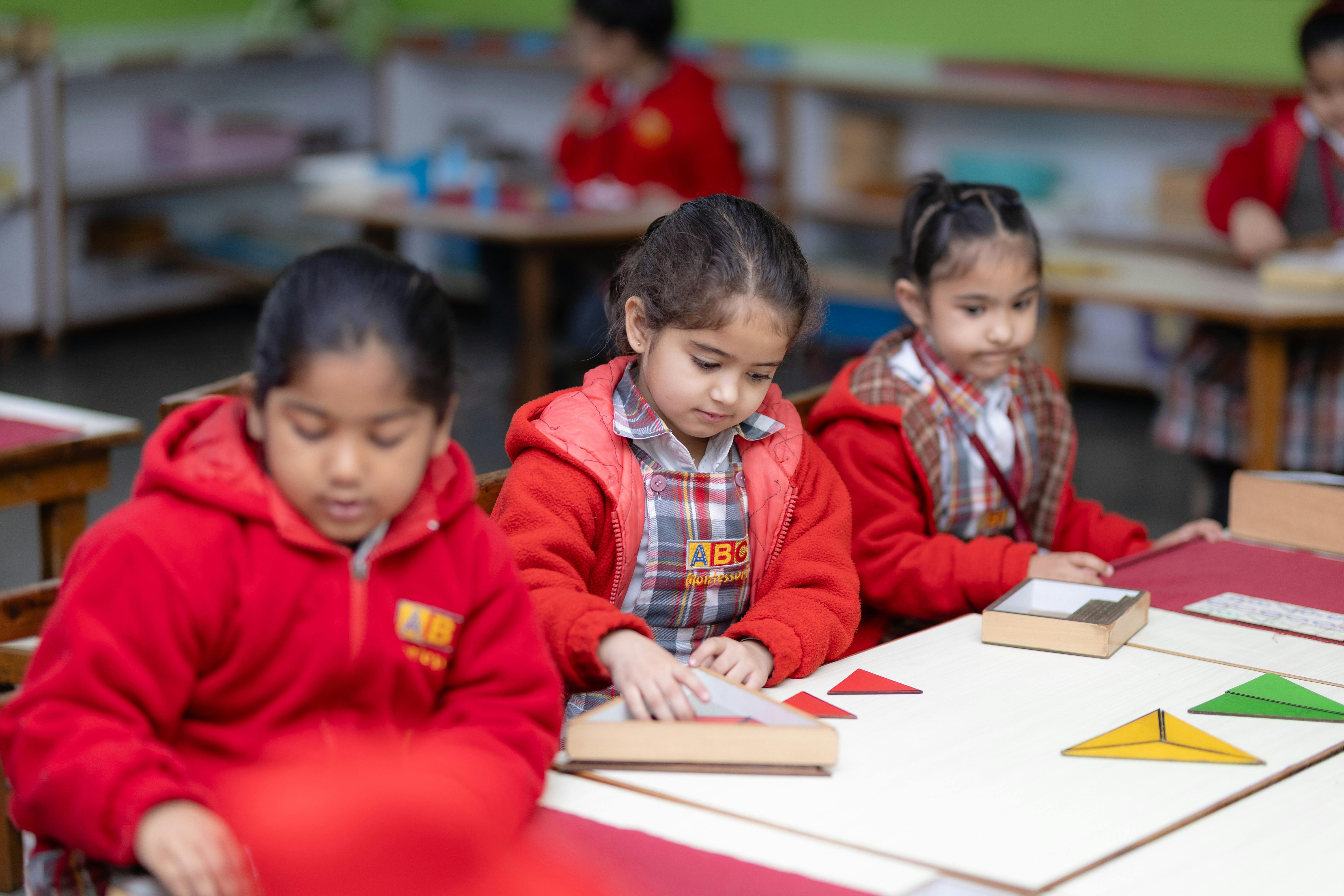
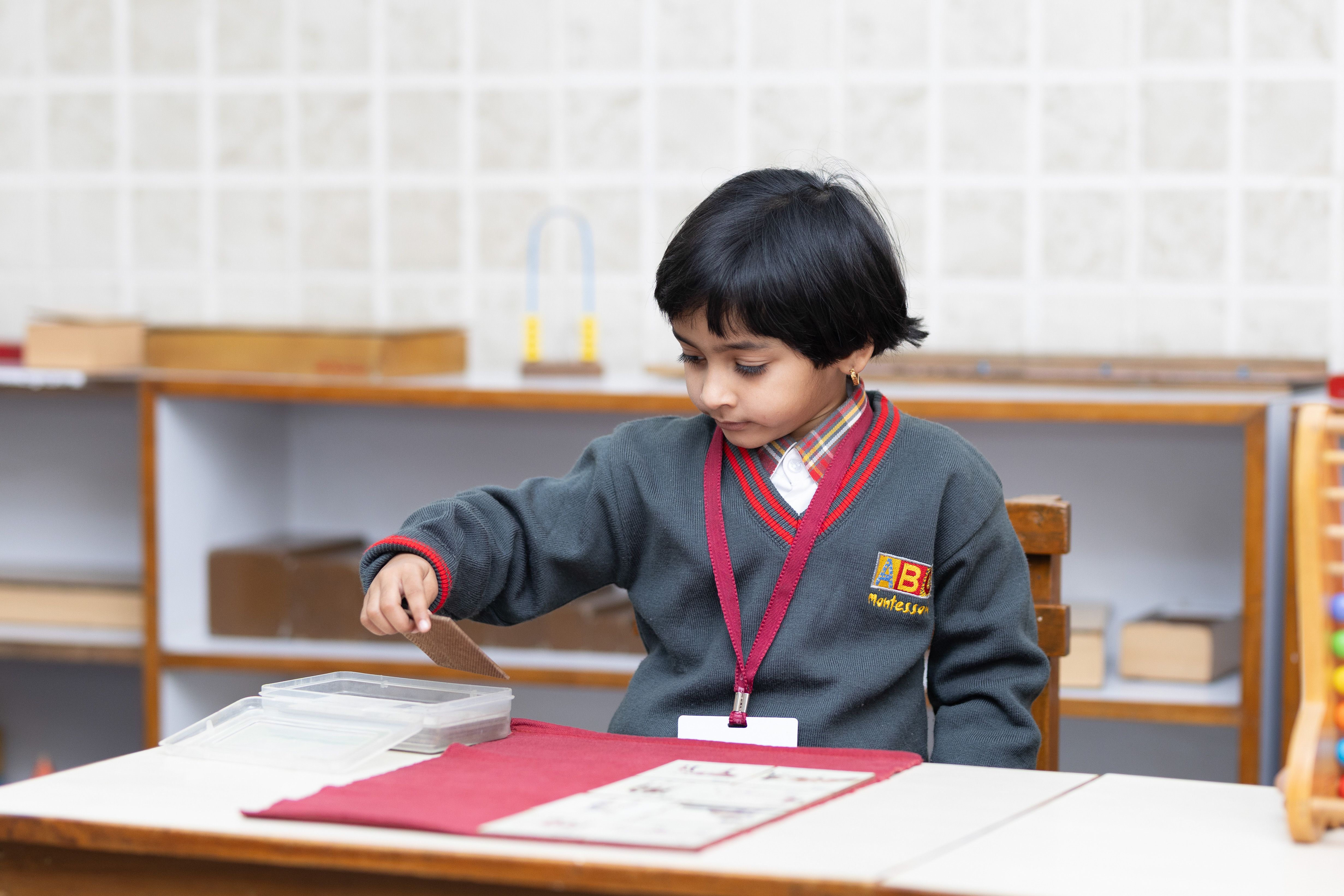
Montessori math materials are designed to make abstract concepts tangible. At home, you can use everyday objects to teach math. Count items during grocery shopping, use measuring cups while cooking, or create simple addition and subtraction problems with toys. These activities make learning math fun and applicable to real-world situations.
6. Foster Creativity through Art and Music
Artistic expression and music are integral to Montessori education. Provide your child with access to art supplies and encourage them to create freely without specific instructions. Similarly, introduce them to a variety of musical genres and instruments. In Windsor, consider visiting local art galleries or music events to expand your child's exposure to different forms of art.
7. Emphasize Social and Emotional Learning
The Montessori method places a strong emphasis on social and emotional development. Encourage your child to express their feelings and resolve conflicts with peers through role-playing and discussion. Teach empathy and understanding by modeling these behaviors yourself. In a community-focused town like Windsor, engage in local activities and playdates to build your child's social skills.
Conclusion
Implementing these strategies at home can significantly enhance your child's learning experience, complementing the Montessori education they receive at preschool. By preparing an enriching environment and fostering independence, you are setting the stage for your child to thrive both academically and personally. For parents in Windsor, CA, these strategies offer a pathway to nurturing well-rounded, curious, and capable young learners in 2026.
For more insights and resources on Montessori education in Windsor, explore our website or contact us at Montessori Fun Home Preschool.